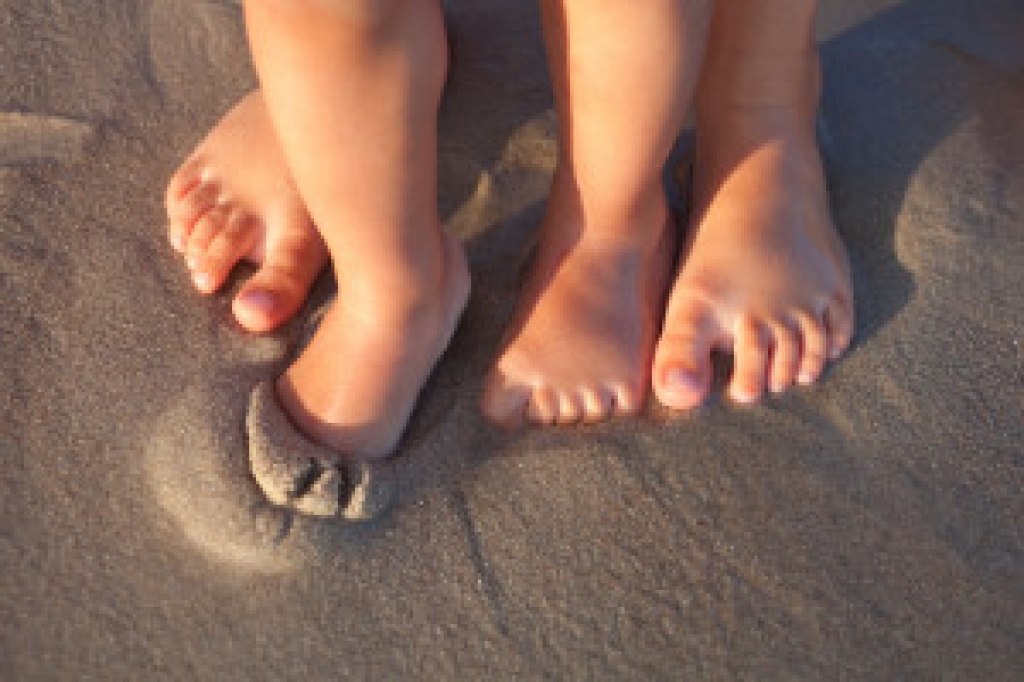
Healthy Foot Development in Children

The development of children's feet begins during pregnancy when the basic structures form in the early weeks. By the second trimester, the bones of the feet start to develop, and by birth, a newborn's feet contain approximately 26 bones, many of which are still made of cartilage. As children grow, their feet undergo significant changes, with arches developing around age two to three. To support healthy foot development, parents can make proper footwear choices, opting for shoes that provide ample room for toes to move and grow. Allowing children to walk barefoot on safe surfaces helps strengthen foot muscles and improve balance. Regularly monitoring foot growth and ensuring that shoes fit correctly can prevent issues such as flat feet or other alignment problems. If your child’s feet are not growing as expected, it is suggested that you consult a podiatrist who can monitor your child’s foot health and development and provide necessary treatment.

The health of a child’s feet is vital to their overall well-being. If you have any questions regarding foot health, contact Paul Hutchison, DPM of Hutchison Foot Clinic. Our doctor can provide the care you need to keep you pain-free and on your feet.

Tips for Keeping Children's Feet Healthy

  • Make sure their shoes fit properly
  • Look for any signs of in-toeing or out-toeing
  • Check to see if they have Clubfoot (condition that affects your child’s foot and ankle, twisting the heel and toes inward) which is one of the most common nonmajor birth defects.
  • Lightly cover your baby’s feet (Tight covers may keep your baby from moving their feet freely, and could prevent normal development)
  • Allow your toddler to go shoeless (Shoes can be restricting for a young child’s foot)
  • Cut toenails straight across to avoid ingrown toenails
  • Keep your child’s foot clean and dry
  • Cover cuts and scrapes. Wash any scratches with soap and water and cover them with a bandage until they’ve healed.

If you have any questions, please feel free to contact our office located in Memphis, TN . We offer the newest diagnostic and treatment technologies for all your foot care needs.

Read more about How to Care for Your Child's Feet

Diagnosis and Treatment of Diabetic Neuropathy

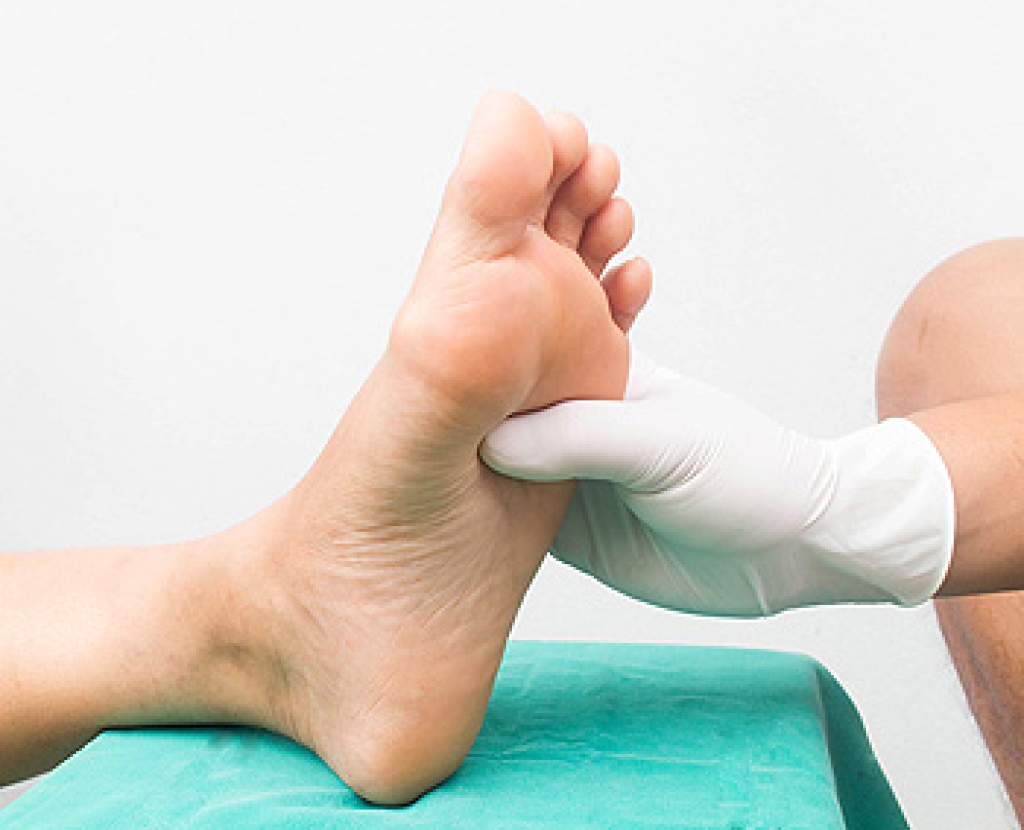
Diabetic neuropathy occurs when high blood sugar levels damage the nerves in the feet, leading to symptoms such as numbness, tingling, and burning sensations. A podiatrist can diagnose diabetic neuropathy through various tests. Included are checking the response of your feet to temperature, touch, and reflexes to assess nerve function. Although nerve damage cannot be reversed, a podiatrist can help reduce the risk of complications by recommending regular foot inspections, managing foot ulcers promptly, and ensuring proper foot hygiene. Choosing the right footwear and inspecting shoes for potential hazards are also key steps in preventing further complications. Regular visits to a podiatrist can help monitor foot health and provide proper treatment should infections or deformities arise. If you have diabetic neuropathy that affects your feet, it is suggested that you make a podiatrist a part of your medical team to manage this condition.

Neuropathy

Neuropathy can be a potentially serious condition, especially if it is left undiagnosed. If you have any concerns that you may be experiencing nerve loss in your feet, consult with Paul Hutchison, DPM from Hutchison Foot Clinic. Our doctor will assess your condition and provide you with quality foot and ankle treatment for neuropathy.

What Is Neuropathy?

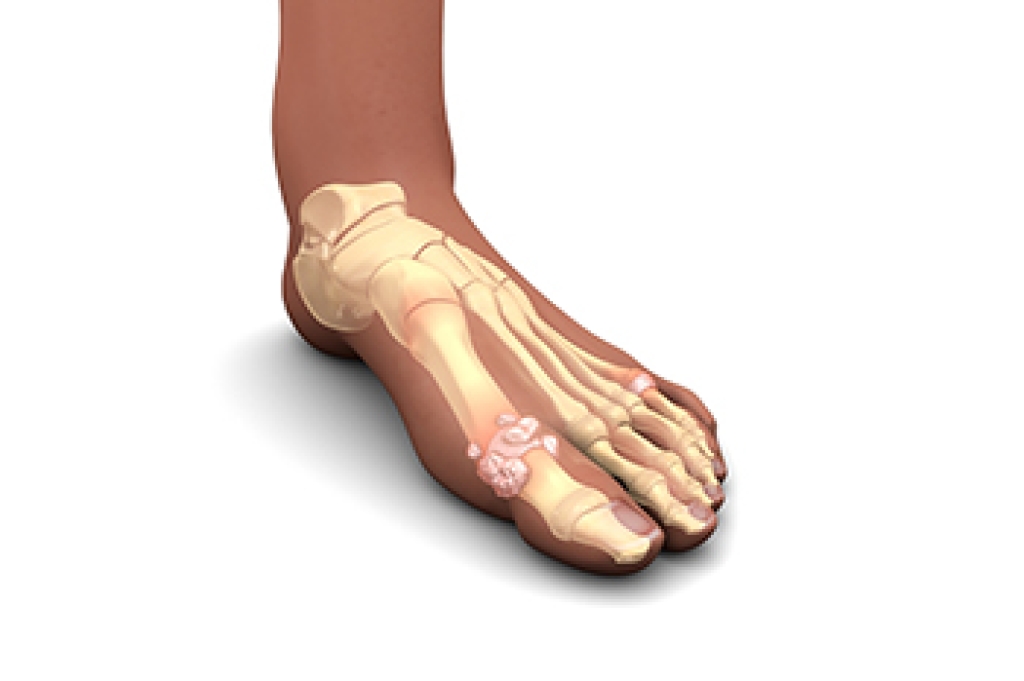
Neuropathy is a condition that leads to damage to the nerves in the body. Peripheral neuropathy, or neuropathy that affects your peripheral nervous system, usually occurs in the feet. Neuropathy can be triggered by a number of different causes. Such causes include diabetes, infections, cancers, disorders, and toxic substances.

Symptoms of Neuropathy Include:

  • Numbness
  • Sensation loss
  • Prickling and tingling sensations
  • Throbbing, freezing, burning pains
  • Muscle weakness

Those with diabetes are at serious risk due to being unable to feel an ulcer on their feet. Diabetics usually also suffer from poor blood circulation. This can lead to the wound not healing, infections occurring, and the limb may have to be amputated.

Treatment

To treat neuropathy in the foot, podiatrists will first diagnose the cause of the neuropathy. Figuring out the underlying cause of the neuropathy will allow the podiatrist to prescribe the best treatment, whether it be caused by diabetes, toxic substance exposure, infection, etc. If the nerve has not died, then it’s possible that sensation may be able to return to the foot.

Pain medication may be issued for pain. Electrical nerve stimulation can be used to stimulate nerves. If the neuropathy is caused from pressure on the nerves, then surgery may be necessary.

If you have any questions, please feel free to contact our office located in Memphis, TN . We offer the newest diagnostic and treatment technologies for all your foot care needs.
Read more about Neuropathy

We Can Treat Your Foot or Ankle Pain

Foot or ankle pain can negatively affect your day-to-day life and can occur due to several different conditions. Pain can also be an indicator of a more serious underlying condition, which is why you should seek professional help as soon as you notice any abnormalities in your feet.

An Overview of Gout

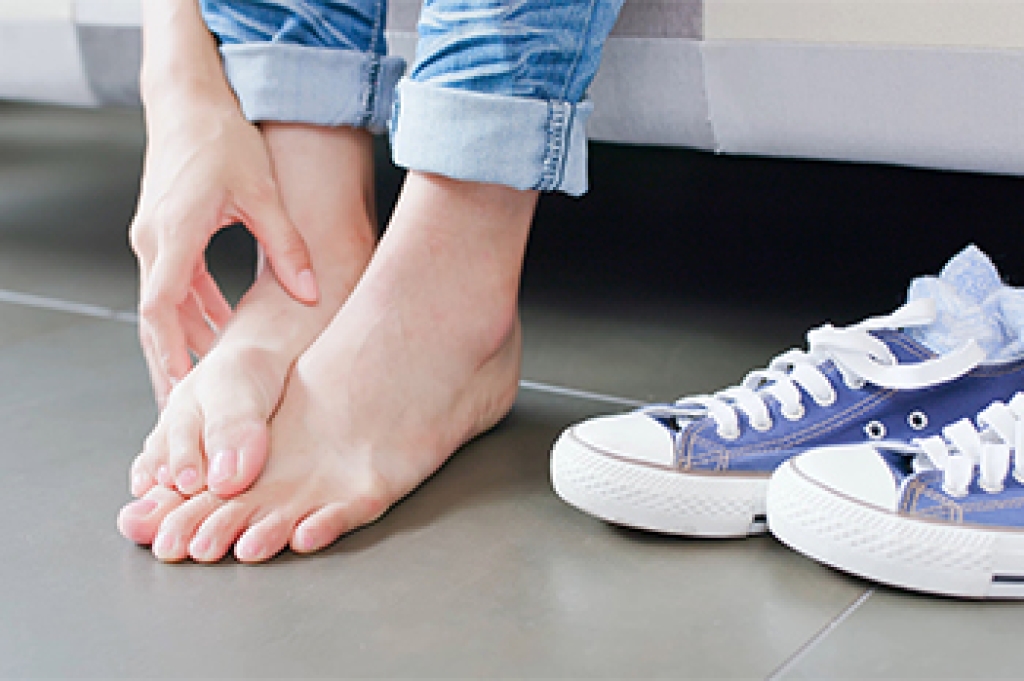
Gout is a form of inflammatory arthritis causing sudden and severe pain, swelling, and redness in the affected joints, most commonly the big toe. This condition occurs when uric acid builds up in the body, leading to the formation of sharp crystals in the joints. Symptoms include intense pain, often occurring at night, and lingering discomfort even after the initial attack. Risk factors for gout include obesity, high blood pressure, and certain dietary choices, such as consuming excessive purine-rich foods like red meat and shellfish. Alcohol consumption can worsen the condition. Genetics also play a role, as a family history of gout increases susceptibility. Gout attacks can be painful and can cause difficulty in completing daily activities. If you have had one or more attacks, it is strongly suggested that you are under the care of a podiatrist who can help you to manage this painful condition.

Gout is a painful condition that can be treated. If you are seeking treatment, contact Paul Hutchison, DPM from Hutchison Foot Clinic. Our doctor will treat your foot and ankle needs.

What Is Gout?

Gout is a form of arthritis that is characterized by sudden, severe attacks of pain, redness, and tenderness in the joints. The condition usually affects the joint at the base of the big toe. A gout attack can occur at any random time, such as the middle of the night while you are asleep.

Symptoms

  • Intense Joint Pain - Usually around the large joint of your big toe, and it most severe within the first four to twelve hours
  • Lingering Discomfort - Joint discomfort may last from a few days to a few weeks
  • Inflammation and Redness -Affected joints may become swollen, tender, warm and red
  • Limited Range of Motion - May experience a decrease in joint mobility

Risk Factors

  • Genetics - If family members have gout, you’re more likely to have it
  • Medications - Diuretic medications can raise uric acid levels
  • Gender/Age - Gout is more common in men until the age of 60. It is believed that estrogen protects women until that point
  • Diet - Eating red meat and shellfish increases your risk
  • Alcohol - Having more than two alcoholic drinks per day increases your risk
  • Obesity - Obese people are at a higher risk for gout

Prior to visiting your podiatrist to receive treatment for gout, there are a few things you should do beforehand. If you have gout you should write down your symptoms--including when they started and how often you experience them, important medical information you may have, and any questions you may have. Writing down these three things will help your podiatrist in assessing your specific situation so that he or she may provide the best route of treatment for you.

If you have any questions, please feel free to contact our office located in Memphis, TN . We offer the newest diagnostic and treatment technologies for all your foot care needs.
Read more about Gout

Key Facts About Athlete's Foot

Athlete's foot, or tinea pedis, is a common fungal skin infection that loves damp, warm environments. Fungi, which are tiny microorganisms, thrive in these conditions and can cause mild but annoying rashes when they infect the skin. Though typically not dangerous, athlete’s foot can be quite irritating. Symptoms include itching, burning, and redness between the toes or on the soles of the feet. You might also notice peeling or cracking skin, which can sometimes lead to a secondary bacterial infection if left untreated. While athletes are often associated with this condition due to their sweaty feet, anyone can get athlete’s foot. To prevent it, keep your feet dry and clean, and avoid walking barefoot in public showers or pools. If you suspect you have athlete's foot it is suggested you schedule an appointment with a podiatrist for a diagnosis and treatment plan.

Athlete’s foot is an inconvenient condition that can be easily reduced with the proper treatment. If you have any concerns about your feet and ankles, contact Paul Hutchison, DPM from Hutchison Foot Clinic.  Our doctor will treat your foot and ankle needs.

Athlete’s Foot: The Sole Story

Athlete's foot, also known as tinea pedis, can be an extremely contagious foot infection. It is commonly contracted in public changing areas and bathrooms, dormitory style living quarters, around locker rooms and public swimming pools, or anywhere your feet often come into contact with other people.

Solutions to Combat Athlete’s Foot

  • Hydrate your feet by using lotion
  • Exfoliate
  • Buff off nails
  • Use of anti-fungal products
  • Examine your feet and visit your doctor if any suspicious blisters or cuts develop

Athlete’s foot can cause many irritating symptoms such as dry and flaking skin, itching, and redness. Some more severe symptoms can include bleeding and cracked skin, intense itching and burning, and even pain when walking. In the worst cases, Athlete’s foot can cause blistering as well. Speak to your podiatrist for a better understanding of the different causes of Athlete’s foot, as well as help in determining which treatment options are best for you.

If you have any questions please feel free to contact our office located in Memphis, TN . We offer the newest diagnostic and treatment technologies for all your foot and ankle needs.

Read more about Athlete's Foot

Connect With Us

scroll to top