
Minimally Invasive or Open Surgery for Hammertoe Correction

Hammertoe happens when the toe bends and stays in a curled position, often leading to pain and trouble fitting into shoes. If conservative treatment does not provide enough relief for patients, podiatrists offer two main types of surgery to straighten the toe and improve comfort. These are minimally invasive procedures and open surgery, with each approach offering its own advantages. Minimally invasive surgery uses small incisions and special instruments to adjust the toe without fully opening the joint. This method usually causes less swelling and scarring and allows for faster healing. Many people return to daily routines sooner than with traditional surgery. Open surgery involves a larger incision, giving the surgeon a clear view of the joint and bones. This technique may be chosen for more severe cases that need a more precise correction. If hammertoe is affecting your daily life, it is suggested you meet with a podiatrist to learn about treatment options.

Foot surgery is sometimes necessary to treat a foot ailment. To learn more, contact Paul Hutchison, DPM of Hutchison Foot Clinic. Our doctor will assist you with all of your foot and ankle needs.

When Is Surgery Necessary?

Foot and ankle surgery is generally reserved for cases in which less invasive, conservative procedures have failed to alleviate the problem. Some of the cases in which surgery may be necessary include:

  • Removing foot deformities like bunions and bone spurs
  • Severe arthritis that has caused bone issues
  • Cosmetic reconstruction

What Types of Surgery Are There?

The type of surgery you receive will depend on the nature of the problem you have. Some of the possible surgeries include:

  • Bunionectomy for painful bunions
  • Surgical fusion for realignment of bones
  • Neuropathy decompression surgery to treat nerve damage

Benefits of Surgery

Although surgery is usually a last resort, it can provide more complete pain relief compared to non-surgical methods and may allow you to finally resume full activity.

Surgical techniques have also become increasingly sophisticated. Techniques like endoscopic surgery allow for smaller incisions and faster recovery times.

If you have any questions, please feel free to contact our office located in Memphis, TN . We offer the newest diagnostic and treatment technologies for all your foot care needs.

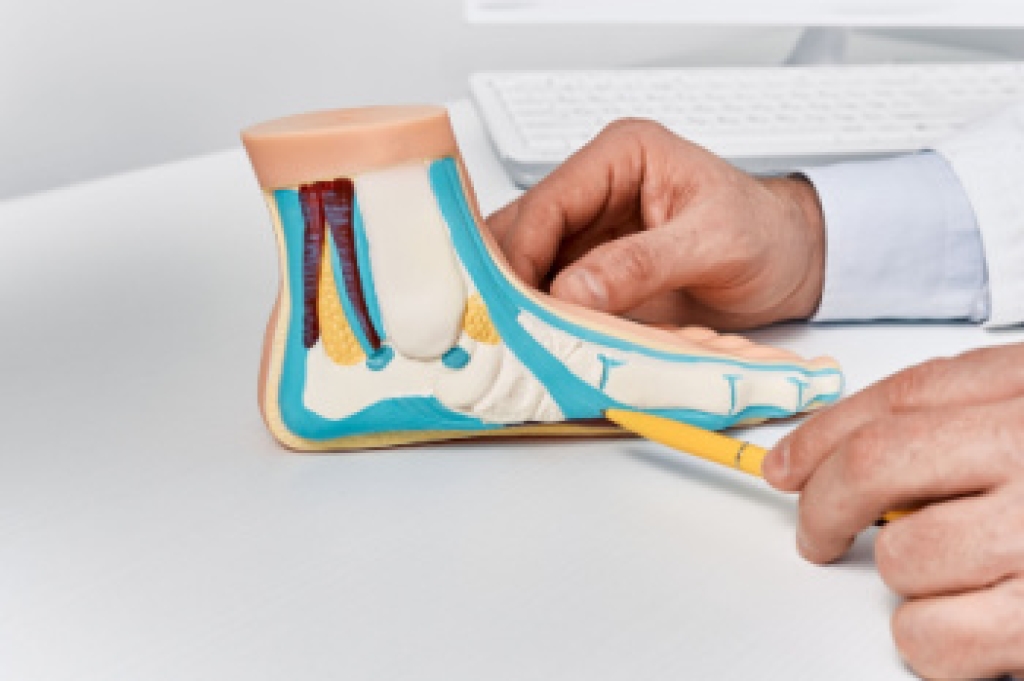
Read more about Foot Surgery

It's Time for Beautiful Feet

You don't need an excuse to have beautiful nails. Step outside without worrying about the appearance of your feet.

Running With Flat Feet

Flat feet occur when the arches of the feet collapse, causing the entire sole to touch the ground. While running with flat feet can lead to discomfort or injury, the right approach makes it possible to stay active and pain-free. Supportive shoes, custom orthotics, and proper running techniques can reduce strain and improve alignment. Strengthening exercises and gradual training can also enhance stability and endurance. A podiatrist can assess your foot structure, recommend footwear, and create a personalized plan to keep you moving safely. If you have flat feet and enjoy running or want to start, it is suggested that you visit a podiatrist for expert advice to protect your feet and help you reach your goals with confidence.

Flatfoot is a condition many people suffer from. If you have flat feet, contact Paul Hutchison, DPM from Hutchison Foot Clinic. Our doctor will treat your foot and ankle needs.

What Are Flat Feet?

Flatfoot is a condition in which the arch of the foot is depressed and the sole of the foot is almost completely in contact with the ground. About 20-30% of the population generally has flat feet because their arches never formed during growth.

Conditions & Problems:

Having flat feet makes it difficult to run or walk because of the stress placed on the ankles.

Alignment – The general alignment of your legs can be disrupted, because the ankles move inward which can cause major discomfort.

Knees – If you have complications with your knees, flat feet can be a contributor to arthritis in that area.  

Symptoms

  • Pain around the heel or arch area
  • Trouble standing on the tip toe
  • Swelling around the inside of the ankle
  • Flat look to one or both feet
  • Having your shoes feel uneven when worn

Treatment

If you are experiencing pain and stress on the foot you may weaken the posterior tibial tendon, which runs around the inside of the ankle. 

If you have any questions, please feel free to contact our office located in Memphis, TN . We offer the newest diagnostic and treatment technologies for all your foot care needs.
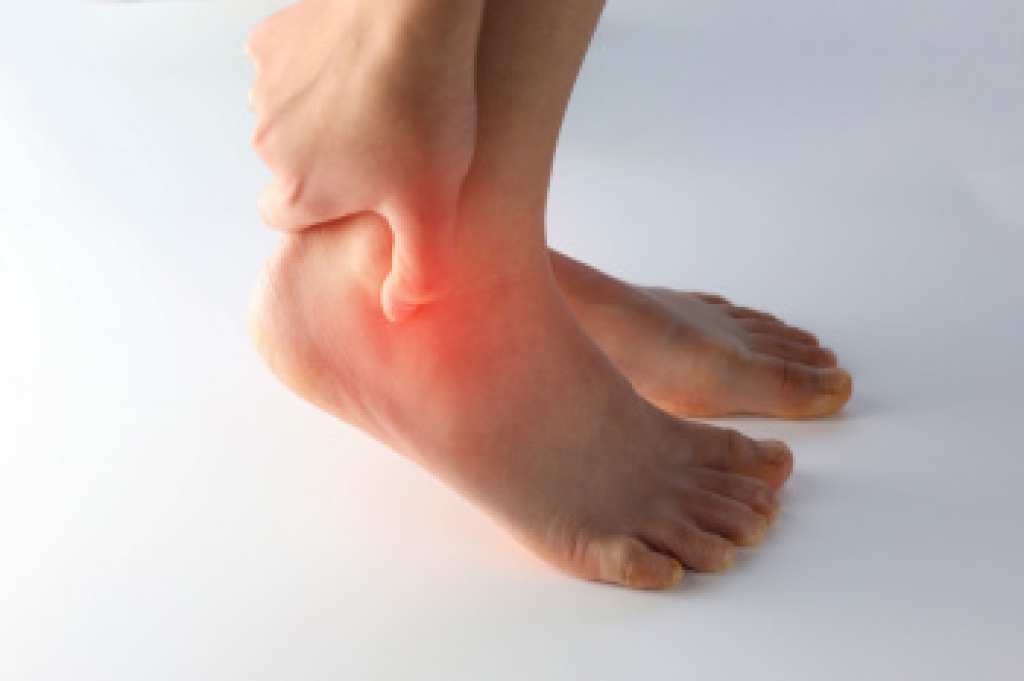
Read more about What is Flexible Flat Foot?

Causes of Ankle Impingement Pain

Ankle impingement pain happens when something inside the ankle joint gets pinched during movement. This usually affects people who play sports that involve a lot of jumping, running, or kicking, like soccer or ballet. Pain in the front of the ankle can occur when the foot is pushed upward, and pain in the back can happen when the foot is pointed downward. Repeated ankle sprains or injuries can lead to swelling, scar tissue, or extra bone growth, which can crowd the joint and make movement painful. Some people may feel a sharp pain, locking, or stiffness when they bend or twist the ankle a certain way. A small extra bone in the back of the ankle, called the os trigonum, can also cause pain when it gets squeezed. A podiatrist can evaluate the source of the ankle pain, confirm the diagnosis with imaging, if needed, and offer proper treatment, including surgery. If you are experiencing ankle pain, it is suggested that you schedule an appointment with a podiatrist for a diagnosis and appropriate treatment.

Ankle pain can be caused by a number of problems and may be potentially serious. If you have ankle pain, consult with Paul Hutchison, DPM from Hutchison Foot Clinic. Our doctor will assess your condition and provide you with quality foot and ankle treatment.

Ankle pain is any condition that causes pain in the ankle. Due to the fact that the ankle consists of tendons, muscles, bones, and ligaments, ankle pain can come from a number of different conditions.

Causes

The most common causes of ankle pain include:

  • Types of arthritis (rheumatoid, osteoarthritis, and gout)
  • Ankle sprains
  • Broken ankles
  • Achilles tendonitis
  • Achilles tendon rupture
  • Stress fractures
  • Bursitis
  • Tarsal tunnel syndrome
  • Plantar fasciitis

Symptoms

Symptoms of ankle injury vary based upon the condition. Pain may include general pain and discomfort, swelling, aching, redness, bruising, burning or stabbing sensations, and/or loss of sensation.

Diagnosis

Due to the wide variety of potential causes of ankle pain, podiatrists will utilize a number of different methods to properly diagnose ankle pain. This can include asking for personal and family medical histories and of any recent injuries. Further diagnosis may include sensation tests, a physical examination, and potentially x-rays or other imaging tests.

Treatment

Just as the range of causes varies widely, so do treatments. Some more common treatments are rest, ice packs, keeping pressure off the foot, orthotics and braces, medication for inflammation and pain, and surgery.

If you have any questions please feel free to contact our office located in Memphis, TN . We offer the newest diagnostic tools and technology to treat your foot and ankle needs.

Read more about Ankle Pain

Finding Relief From Morning Heel Pain

Many people experience soreness near the base of the foot, especially after waking up or standing for long periods ot time. This discomfort often results from strain in the connective tissue that helps support the arch. When this tissue becomes stressed, small tears and inflammation can develop, leading to pain with each step. It can feel sharp, aching, or deep in the heel. This issue is more likely to occur in those who walk often on hard surfaces, wear unsupportive shoes, or have foot structure concerns. Ignoring the early signs may lead to longer recovery times. Simple stretches, footwear changes, or activity adjustments can help manage the condition. If you have pain near your heel or arch, it is suggested that you schedule an appointment with a podiatrist for a proper diagnosis and more advanced treatment.

Many people suffer from bouts of heel pain. For more information, contact Paul Hutchison, DPM of Hutchison Foot Clinic. Our doctor can provide the care you need to keep you pain-free and on your feet.

Causes of Heel Pain

Heel pain is often associated with plantar fasciitis. The plantar fascia is a band of tissues that extends along the bottom of the foot. A rip or tear in this ligament can cause inflammation of the tissue.

Achilles tendonitis is another cause of heel pain. Inflammation of the Achilles tendon will cause pain from fractures and muscle tearing. Lack of flexibility is also another symptom.

Heel spurs are another cause of pain. When the tissues of the plantar fascia undergo a great deal of stress, it can lead to ligament separation from the heel bone, causing heel spurs.

Why Might Heel Pain Occur?

  • Wearing ill-fitting shoes                
  • Wearing non-supportive shoes
  • Weight change           
  • Excessive running

Treatments

Heel pain should be treated as soon as possible for immediate results. Keeping your feet in a stress-free environment will help. If you suffer from Achilles tendonitis or plantar fasciitis, applying ice will reduce the swelling. Stretching before an exercise like running will help the muscles. Using all these tips will help make heel pain a condition of the past.

If you have any questions, please feel free to contact our office located in Memphis, TN . We offer the newest diagnostic and treatment technologies for all your foot care needs.
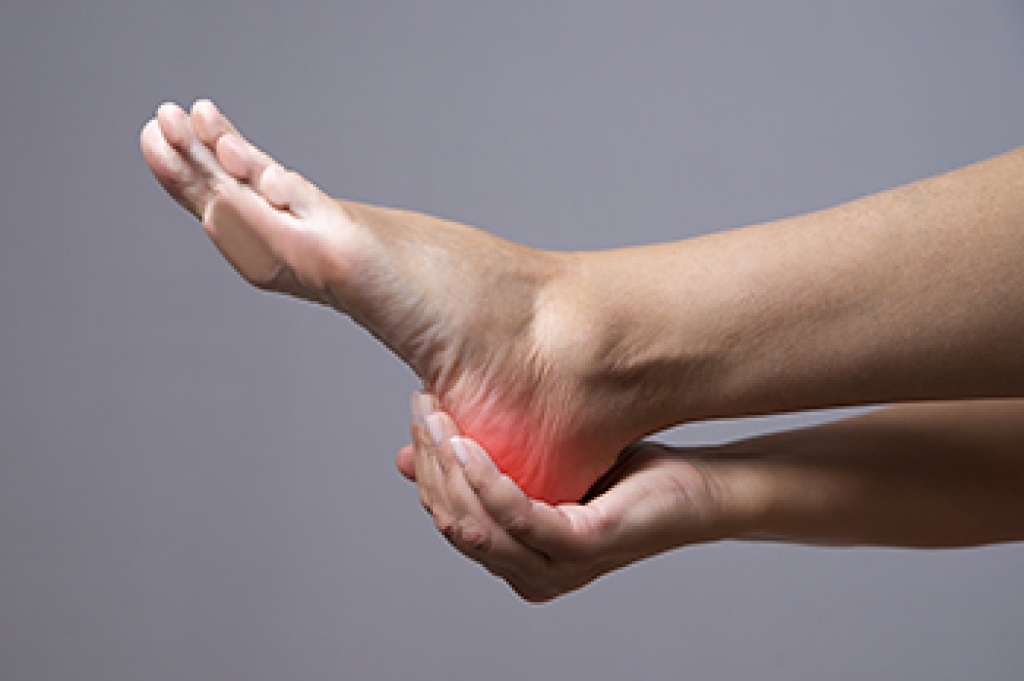
Read more about Heel Pain

Connect With Us

scroll to top