
The Ankle and Tarsal Tunnel

The tibial nerve is a nerve located in the foot. When this nerve endures abnormal pressure, it can cause tarsal tunnel syndrome. Tarsal tunnel syndrome is caused by inflammation surrounding the tarsal tunnel, which is located on the inside of the ankle, and can result in severe pain and discomfort. Tarsal tunnel syndrome can develop for various reasons, including diabetes or a possible tumor on the tarsal tunnel. A common symptom that patients may experience is pain in the sole of the foot. The pain may become worse when walking and standing for extended periods of time, and relief may be found when the affected foot is elevated. If you have pain in your feet, it is strongly suggested that you consult with a podiatrist for a proper diagnosis.

Tarsal tunnel syndrome can be very uncomfortable to live with. If you are experiencing tarsal tunnel syndrome, contact Paul Hutchison, DPM of Hutchison Foot Clinic. Our doctor can provide the care you need to keep you pain-free and on your feet.

Tarsal Tunnel Syndrome

Tarsal tunnel syndrome, which can also be called tibial nerve dysfunction, is an uncommon condition of misfiring peripheral nerves in the foot. The tibial nerve is the peripheral nerve in the leg responsible for sensation and movement of the foot and calf muscles. In tarsal tunnel syndrome, the tibial nerve is damaged, causing problems with movement and feeling in the foot of the affected leg.

Common Cause of Tarsal Tunnel Syndrome

  • Involves pressure or an injury, direct pressure on the tibial nerve for an extended period of time, sometimes caused by other body structures close by or near the knee.
  • Diseases that damage nerves, including diabetes, may cause tarsal tunnel syndrome.
  • At times, tarsal tunnel syndrome can appear without an obvious cause in some cases.

The Effects of Tarsal Tunnel Syndrome

  • Different sensations, an afflicted person may experience pain, tingling, burning or other unusual sensations in the foot of the affected leg.
  • The foot muscles, toes and ankle become weaker, and curling your toes or flexing your foot can become difficult.
  • If condition worsens, infections and ulcers may develop on the foot that is experiencing the syndrome.

A physical exam of the leg can help identify the presence of tarsal tunnel syndrome. Medical tests, such as a nerve biopsy, are also used to diagnose the condition. Patients may receive physical therapy and prescriptive medication. In extreme cases, some may require surgery.

If you have any questions please contact our office located in Memphis, TN . We offer the newest diagnostic and treatment technologies for all your foot and ankle needs.

Read more about Tarsal Tunnel Syndrome

What Is Cuboid Syndrome?

Cuboid syndrome is a condition in which the cuboid bone on the outer side of the foot becomes partially displaced, leading to pain and difficulty with movement. Symptoms may include sharp lateral foot pain, swelling, tenderness, and a feeling of instability during walking. Causes can involve overuse, ankle sprains, or repetitive strain. Additionally, risk factors include high impact activities, wearing improper footwear, and flat feet. A podiatrist can diagnose the condition through a detailed examination, perform specific manipulations to realign the cuboid bone, and recommend supportive treatments that restore comfort and function. If you have persistent outer foot pain, it is suggested that you consult a podiatrist who can provide an accurate diagnosis and treatment.

Cuboid syndrome, also known as cuboid subluxation, occurs when the joints and ligaments near the cuboid bone in the foot become torn. If you have cuboid syndrome, consult with Paul Hutchison, DPM from Hutchison Foot Clinic. Our doctor will assess your condition and provide you with quality foot and ankle treatment.

Cuboid syndrome is a common cause of lateral foot pain, which is pain on the outside of the foot. The condition may happen suddenly due to an ankle sprain, or it may develop slowly overtime from repetitive tension through the bone and surrounding structures.

Causes

The most common causes of cuboid syndrome include:

  • Injury – The most common cause of this ailment is an ankle sprain.
  • Repetitive Strain – Tension placed through the peroneus longus muscle from repetitive activities such as jumping and running may cause excessive traction on the bone causing it to sublux.
  • Altered Foot Biomechanics – Most people suffering from cuboid subluxation have flat feet.

Symptoms

A common symptom of cuboid syndrome is pain along the outside of the foot which can be felt in the ankle and toes. This pain may create walking difficulties and may cause those with the condition to walk with a limp.

Diagnosis

Diagnosis of cuboid syndrome is often difficult, and it is often misdiagnosed. X-rays, MRIs and CT scans often fail to properly show the cuboid subluxation. Although there isn’t a specific test used to diagnose cuboid syndrome, your podiatrist will usually check if pain is felt while pressing firmly on the cuboid bone of your foot.

Treatment

Just as the range of causes varies widely, so do treatments. Some more common treatments are ice therapy, rest, exercise, taping, and orthotics.

If you have any questions, please feel free to contact our office located in Memphis, TN . We offer the newest diagnostic and treatment technologies for all your foot care needs.

Read more about Cuboid Syndrome

Managing Thick Toenails Caused by Fungal Infections

Toenail fungus is a common condition that often leads to thick, discolored, and brittle nails that can become difficult to trim and uncomfortable in shoes. It is usually caused by fungi that thrive in warm and moist environments such as communal showers or sweaty footwear. These infections may make the nail look yellow, chalky, or crumbly, and some nails may lift from the nail bed or develop an unpleasant odor. Thick toenails can feel tender, tight, or pressured, especially when wearing shoes. A podiatrist can begin by evaluating the nail to confirm the presence of fungus and rule out other conditions such as psoriasis or trauma. Treatment may include debridement to reduce thickness, topical or oral antifungal medications, and guidance on prevention and hygiene. If you notice persistent changes in your toenails, it is suggested that you make an appointment with a podiatrist. 

If left untreated, toenail fungus may spread to other toenails, skin, or even fingernails. If you suspect you have toenail fungus it is important to seek treatment right away. For more information about treatment, contact Paul Hutchison, DPM of Hutchison Foot Clinic. Our doctor can provide the care you need to keep you pain-free and on your feet.

Symptoms

  • Warped or oddly shaped nails
  • Yellowish nails
  • Loose/separated nail
  • Buildup of bits and pieces of nail fragments under the nail
  • Brittle, broken, thickened nail

Treatment

If self-care strategies and over-the-counter medications does not help your fungus, your podiatrist may give you a prescription drug instead. Even if you find relief from your toenail fungus symptoms, you may experience a repeat infection in the future.

Prevention

In order to prevent getting toenail fungus in the future, you should always make sure to wash your feet with soap and water. After washing, it is important to dry your feet thoroughly especially in between the toes. When trimming your toenails, be sure to trim straight across instead of in a rounded shape. It is crucial not to cover up discolored nails with nail polish because that will prevent your nail from being able to “breathe”.

In some cases, surgical procedure may be needed to remove the toenail fungus. Consult with your podiatrist about the best treatment options for your case of toenail fungus.  

If you have any questions please contact our office located in Memphis, TN . We offer the newest diagnostic and treatment technologies for all your foot and ankle needs.

Read more about Toenail Fungus

Ankle Fracture? Don’t Wait for Treatment

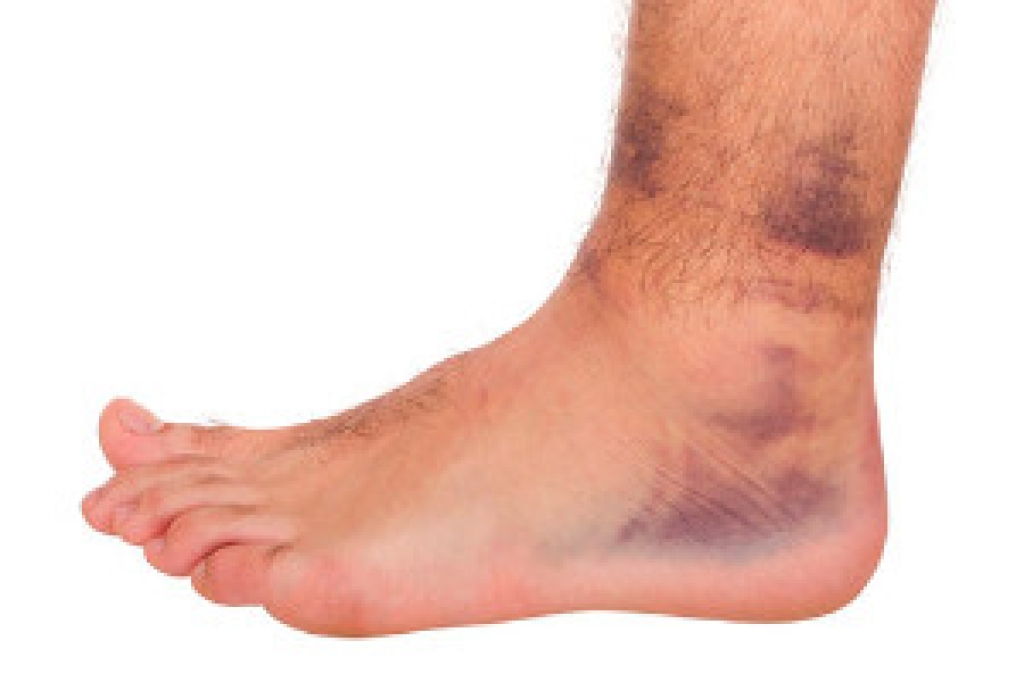
If you're suffering from an ankle fracture, professional attention shouldn't wait. Fractures may worsen over time and can make completing everyday activities incredibly difficult. See your specialist for treatment and guidance through the healing process. 

Shoes and Feet Can Be Affected by Arthritis

Arthritis can quietly change how your feet move and feel, making each step more challenging. As joints become inflamed and stiff, the natural padding and flexibility of the foot can diminish, leading to soreness, swelling, and changes in shape. These changes often make regular shoes uncomfortable or even painful. Choosing the right footwear becomes essential. Styles with a wide toe box, soft cushioning, and supportive soles can help reduce strain and improve stability. Custom orthotics or inserts designed by a podiatrist can also provide relief by evenly distributing pressure and improving alignment. When pain persists, additional treatments such as anti-inflammatory medications, targeted exercise, or advanced podiatric care may be needed to restore comfort and mobility. If arthritis-related foot pain is affecting your daily activities, it is suggested that you consult a podiatrist for evaluation and tailored solutions.

Arthritis can be a difficult condition to live with. If you are seeking treatment, contact Paul Hutchison, DPM from Hutchison Foot Clinic. Our doctor can provide the care you need to keep you pain-free and on your feet.

Arthritic Foot Care  

Arthritis is a joint disorder that involves the inflammation of different joints in your body, such as those in your feet. Arthritis is often caused by a degenerative joint disease and causes mild to severe pain in all affected areas. In addition to this, swelling and stiffness in the affected joints can also be a common symptom of arthritis.

In many cases, wearing ill-fitting shoes can worsen the effects and pain of arthritis. Wearing shoes that have a lower heel and extra room can help your feet feel more comfortable. In cases of rheumatoid arthritis, the arch in your foot may become problematic. Buying shoes with proper arch support that contour to your feet can help immensely.

Alleviating Arthritic Pain

  • Exercises that stretch the foot can prevent further pain and injury and increase mobility
  • Most of the pain can be alleviated with anti-inflammatory drugs, heat, and topical medications
  • Massages can help temporarily alleviate pain.

It is best to see your doctor for the treatment that is right for your needs and symptoms. Conditions vary, and a podiatrist can help you determine the right method of care for your feet.

If you have any questions please feel free to contact our office located in Memphis, TN . We offer the newest diagnostic tools and technology to treat your foot and ankle needs.

Read more about Arthritic Foot Care

Connect With Us

scroll to top